
Walking holidays from Experience Hikes | discover culture & history
- Experience Hikes
- 12 dec 2025
- 4 minuten om te lezen
Table of Contents
Introduction
Walking also provides insight into culture
Integration of cultural elements in walking routes
3.1 Contact with locals
3.2 Regional traditions and visible customs
Historical context along walking routes
4.1 Landscape features with historical significance
4.2 Traces of trade, migration, and crafts
Recognizing culture and history while walking
5.1 Interpreting landscapes
5.2 Language, infrastructure, and symbolis
Examples of routes with a cultural and historical focus
Frequently asked questions
Conclusion
Introduction discover culture and history during our walking holidays
At Experience Hikes, we believe it's important to learn about the local culture and history of a region, in addition to enjoying beautiful hiking trails. We take the time to do this, together with our local guides, who will point out village structures and ancient paths, and through whom you'll interact with the locals on a daily basis. Read this blog to learn more about how culture and history are interwoven in many hiking areas and how we specifically focus on this.
Walking also provides insight into culture
A walking tour offers an accessible way to explore the character of an area. As you walk, you'll see the broad contours of the landscape and details that reveal something about local lifestyles. These include:
the layout of farms and villages,
farming patterns,
religious symbols,
the use of local materials in architecture,
seasonal activities.
This way, you'll gradually gain a sense of regional customs, economies, and social structures. The local guides we work with select routes based on accessibility, natural diversity, and cultural value.
3. Integration of cultural elements in the walking routes
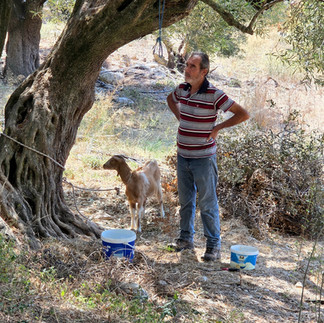
3.1 Contact with inhabitants
You'll participate in daily life to some extent, making it easy to connect with locals, for example:
in conversations at small shops or outdoor cafes,
getting tips about the route,
meetings at farms, monasteries, or markets.
Through these interactions, you'll gain insight into local customs, seasonal work, and regional identity.




3.2 Regional traditions and visible customs
Along many routes, you'll encounter traditions that are part of the local landscape. Think of:
field crosses and chapels,
old irrigation systems or terraced agriculture,
village squares with historical features,
information panels about crafts or archaeological finds,
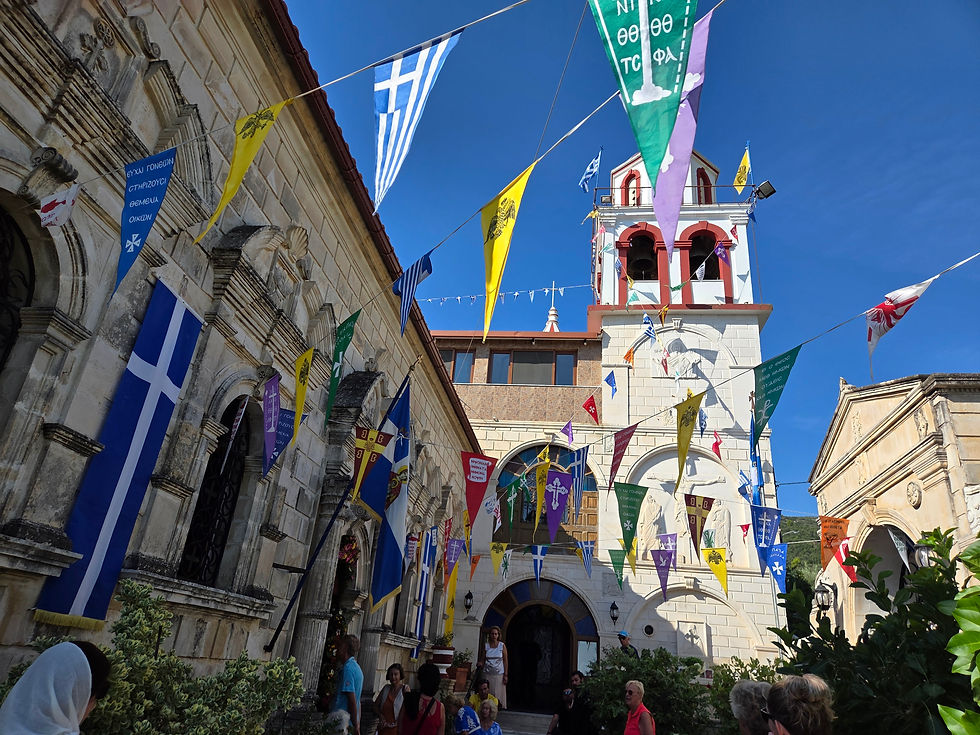
local festivals illustrated by flags, signs, or symbols.
The routes are chosen so that hikers encounter these elements without detouring.
Historical context along the walking routes
History is often seen along many walking paths, even when there's no monument. If you pay attention, you'll see more and more, and history will come to life before your eyes.
4.1 Landscape features with historical significance
Examples include:
worn paths that indicate long-term use,
walls and hedges that mark old property boundaries,
waterways that once supplied farmland,
strategically located villages on hillsides.
Anyone who pays attention to elevation changes, vegetation, and parcelization will often see traces of centuries of human activity.
4.2 Traces of trade, migration and crafts
During Experience Hikes hiking holidays, you'll regularly encounter remnants of:
historic trade routes,
narrow passages where cattle were once herded,
old bridges or watchtowers,
craft workshops

Recognize culture and history yourself while walking
5.1 Interpreting landscapes
As you get used to walking, you learn to "read" landscapes. For example, pay attention to:
height differences and terraces,
transition zones between villages and agricultural land,
patterns that indicate former infrastructure,
the location of religious or administrative buildings.
Our local guide will surely point out such features as well.
5.2 Language, infrastructure and symbolism
Other visible elements also reveal something about culture and historical influences:
bilingual place names,
building styles that point to past domination or trade,
symbols on facades and property boundaries,
the orientation of houses relative to the sun and wind.

Examples of routes with a cultural and historical focus
1. Mountain areas – agricultural heritage and village structures
Routes lead past ancient mountain pastures, traditional wooden farms and paths that have been used for generations for livestock transport.
2. Mediterranean coast – traces of trade and maritime history
Ancient Roman coastal roads, watchtowers and fishing ports clearly demonstrate the development of coastal cultures.
Mix of cultural influences
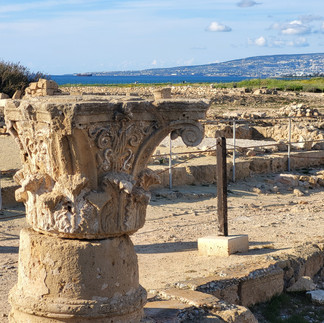
On our routes, you'll sometimes encounter traces of Roman, Ottoman, and Western European traditions, visible in both architecture and crafts. And of course, we'll visit well-known historical sites, such as the Paphos Archaeological Park in Cyprus, which features ancient Roman ruins with beautiful mosaics depicting mythological stories.




Frequently Asked Questions
1. What can you learn about culture during our walking holidays?
You will learn how residents use their environment, which traditions are visible in villages and how historical developments have shaped the landscape.
2. Do you need a lot of historical knowledge?
No. The environment itself provides a lot of information, and information panels or small museums offer additional context.
3. Are the routes suitable for beginners?
Many cultural walking routes are accessible to hikers with a basic level of fitness, provided the distance and pace are adjusted.
4. Do cultural encounters easily arise while walking?
By travelling slowly, you can easily connect with daily life in villages and hamlets and make spontaneous contact with residents.
5. Are historical sites included in the routes?
Yes. Many routes have been selected for their visible historical and cultural elements.
Conclusion
During Experience Hikes' walking holidays, you're sure to discover culture and history. You'll easily connect with local customs, traditional crafts still practiced, and historic structures. Experience Hikes' walking holidays are designed to support this process: through carefully selected routes that pass through villages, traditional farming areas, and historic trails.
Anyone interested in culture, landscape, and regional development will find a walking holiday an accessible way to gain knowledge and better understand an area.
👉 Discover the full range of Experience Hikes and choose the hiking tour that suits your interest in culture and history.